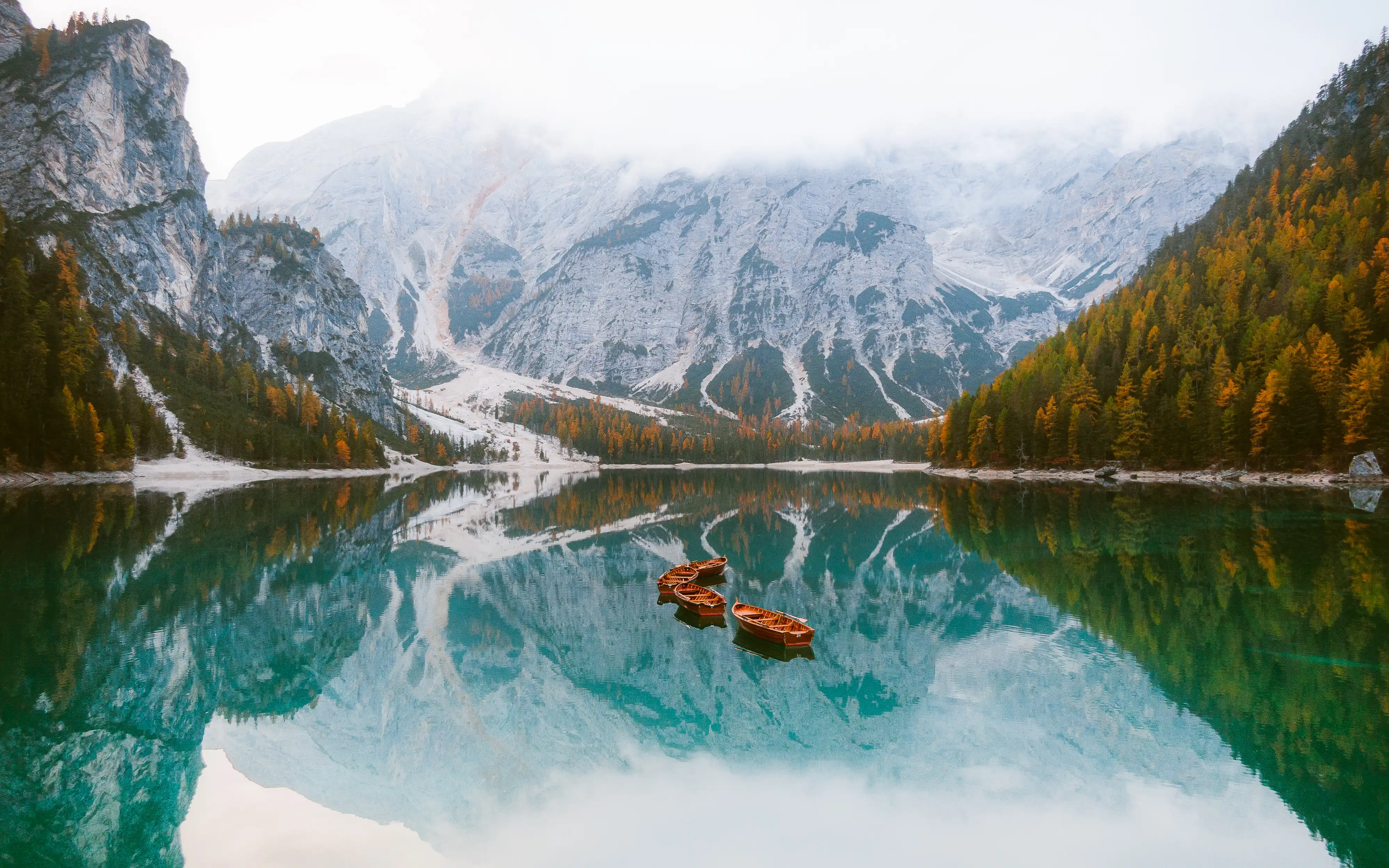
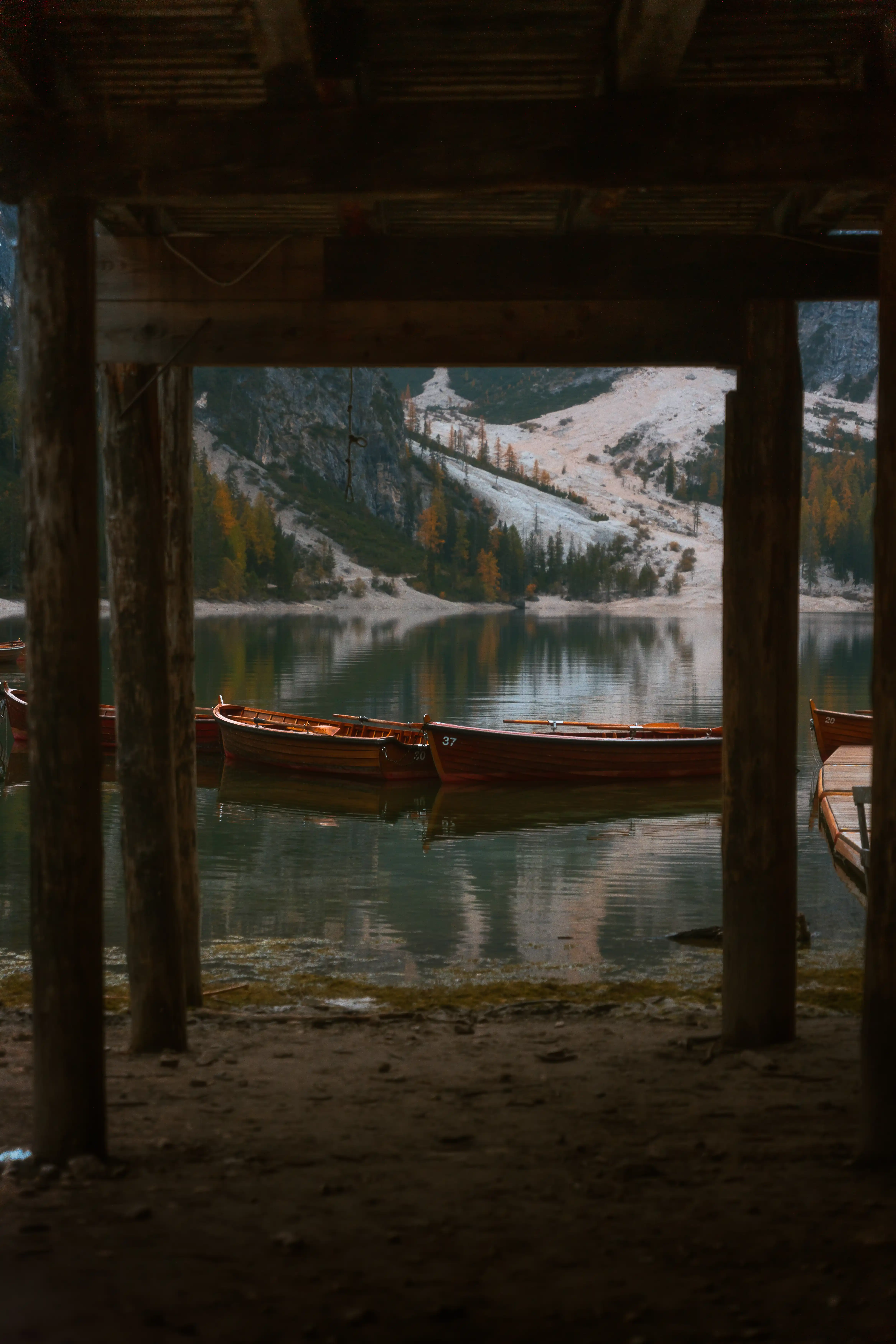
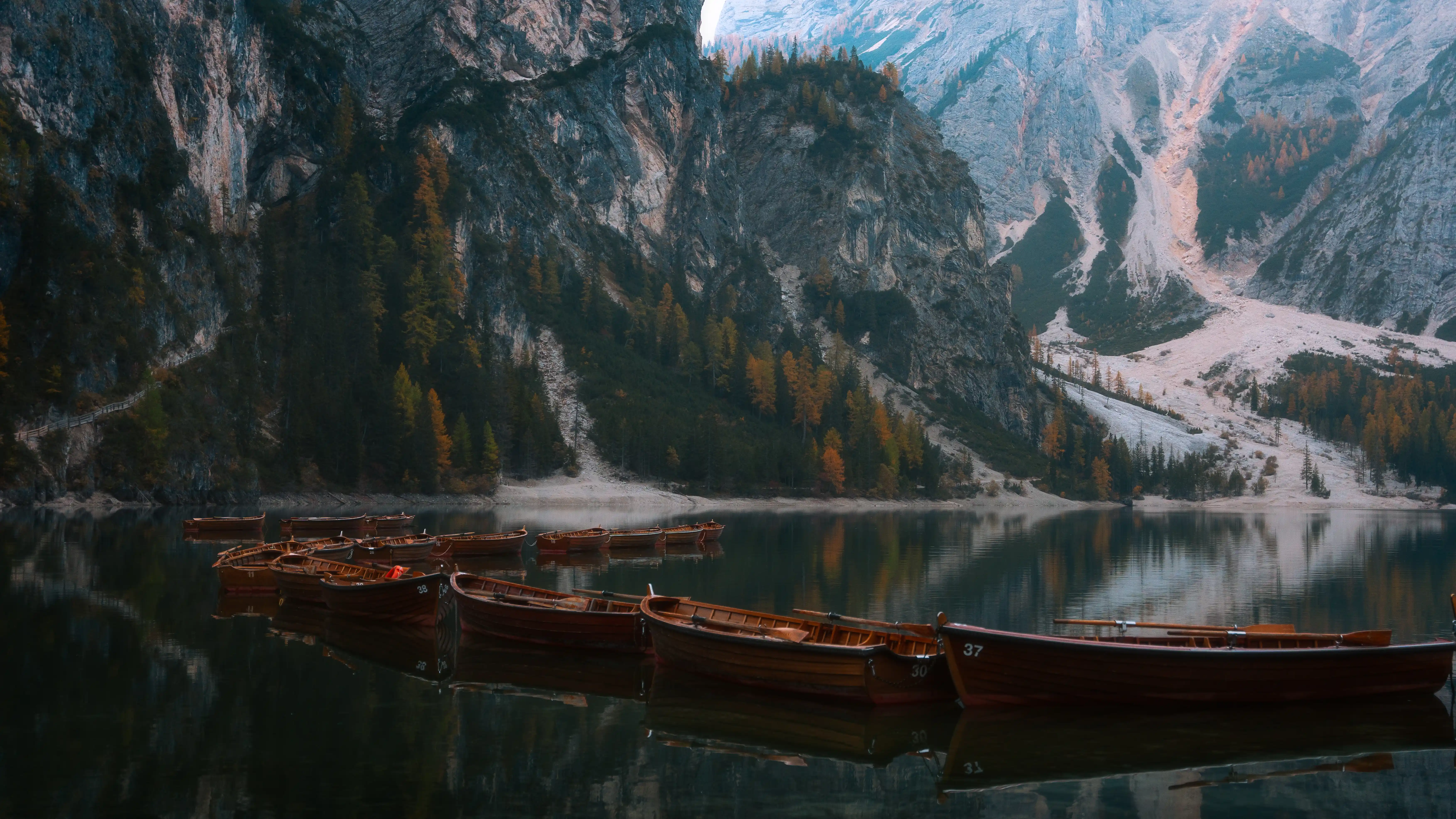
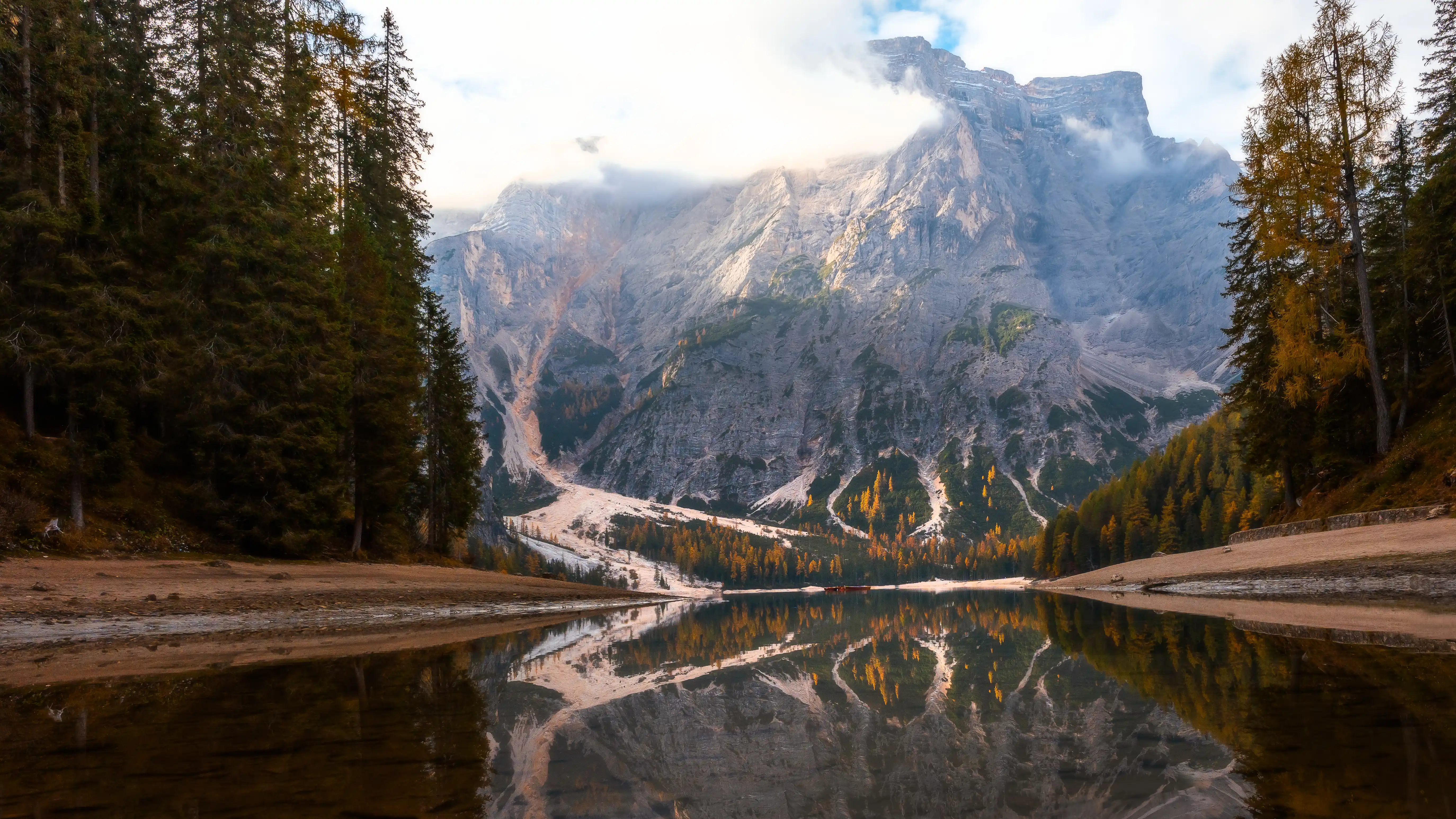
Lago di Braies — or Pragser Wildsee in German — sits in a high valley of the Prags Dolomites like something placed there deliberately. The water is a colour that defies naming.
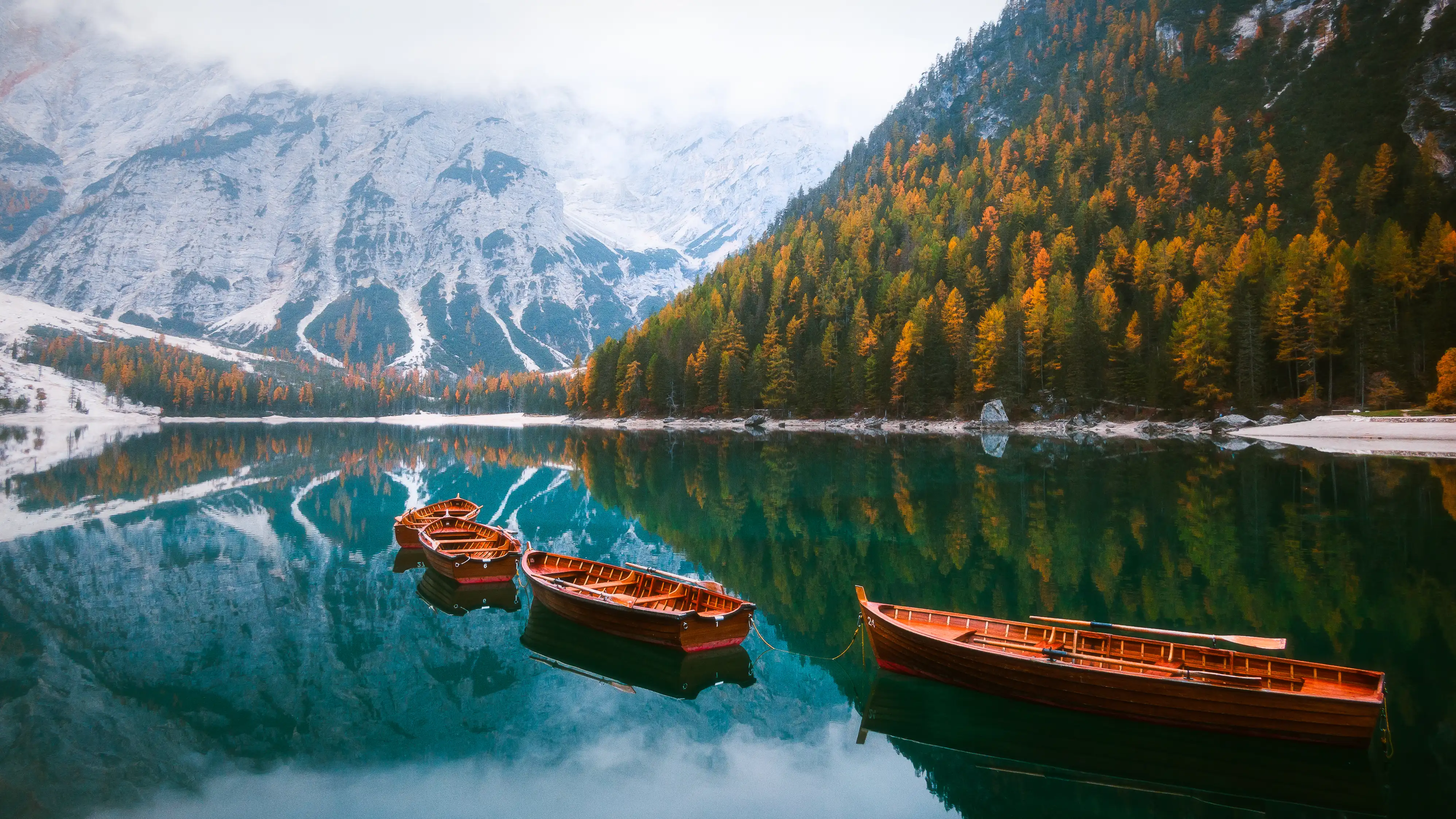
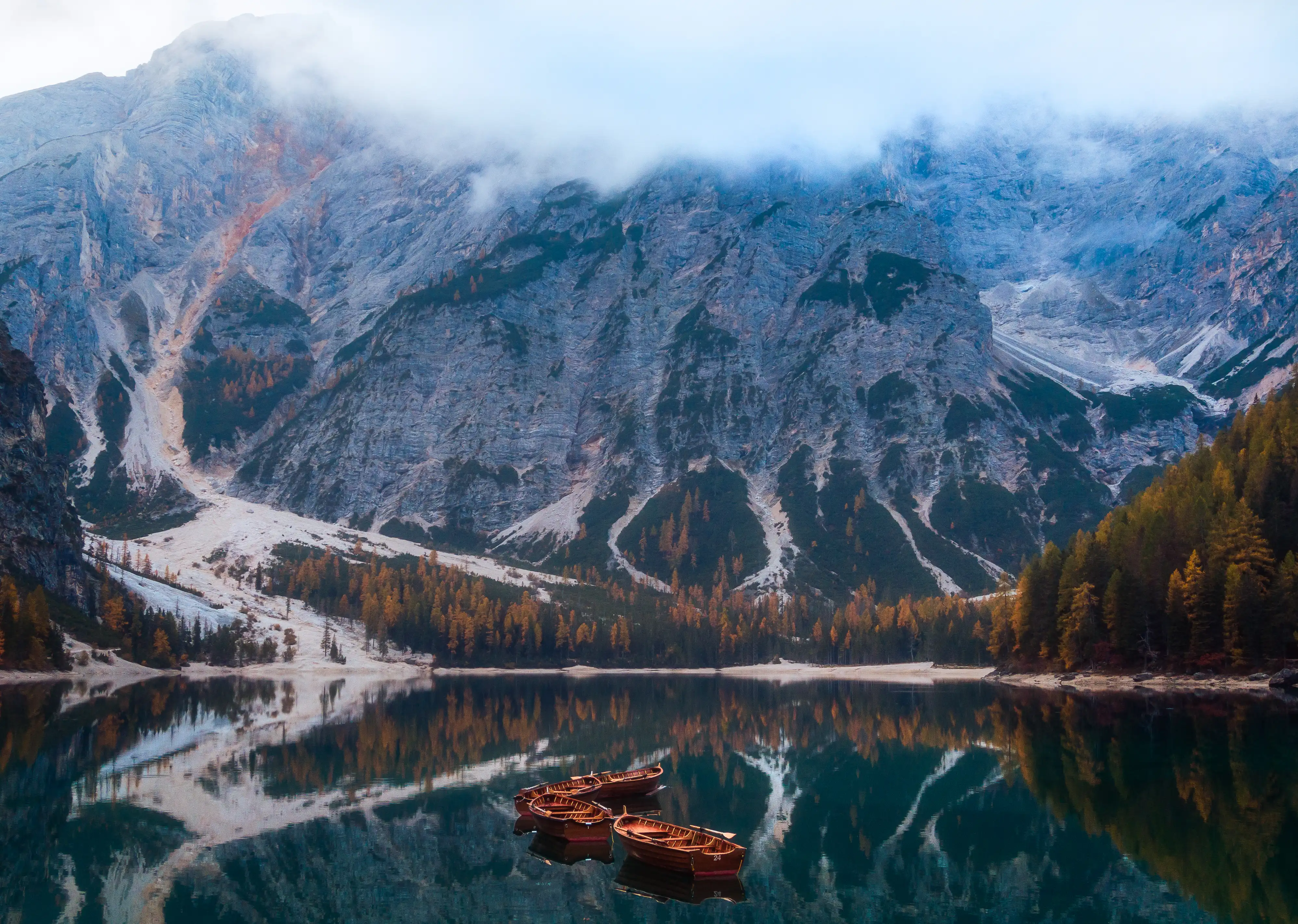
Technically it is turquoise, but that word suggests something tropical and warm. The lake is fed by cold underground springs and glacial meltwater, and the colour shifts depending on the season, the time of day, and the angle of light. In morning mist it is grey-green and opaque. At midday in summer it turns an almost electric blue-green. In autumn, with larch forests turning amber, it becomes something genuinely extraordinary to photograph.
Geology and Formation
Lago di Braies is the largest natural lake in the Dolomites, spanning approximately 31 hectares with a maximum depth of 36 metres. It sits at 1,496 metres and is surrounded on three sides by the peaks of the Pragser Dolomites, creating a natural amphitheatre. The lake's remarkable colour is produced by fine mineral particles — primarily calcium carbonate and glacial sediment — remaining suspended in the water and scattering short-wavelength blue light. The lake's only inflow is the Braies stream, which is also its only outflow, keeping the water unusually clear.
Legend and Lore
Local Ladin legend holds that the lake was created to conceal the underground kingdom of the ancient Fanes people — a mythological civilization said to have guarded vast stores of gold from the greed of outsiders. Unable to prevent the constant theft, the Fanes queen opened underground springs that flooded the valley and formed the lake, swallowing the treasure forever.
World War II
The hotel on the shore of Lago di Braies was the scene of one of the most unusual episodes of the war's final days. In May 1945, a group of 139 high-profile prisoners — including former French Prime Minister Léon Blum and former Austrian Chancellor Kurt Schuschnigg — were transferred here as the Allied advance overwhelmed German forces in Italy. On May 4th 1945, they were liberated by American forces. The hotel remains open today.
The Photography
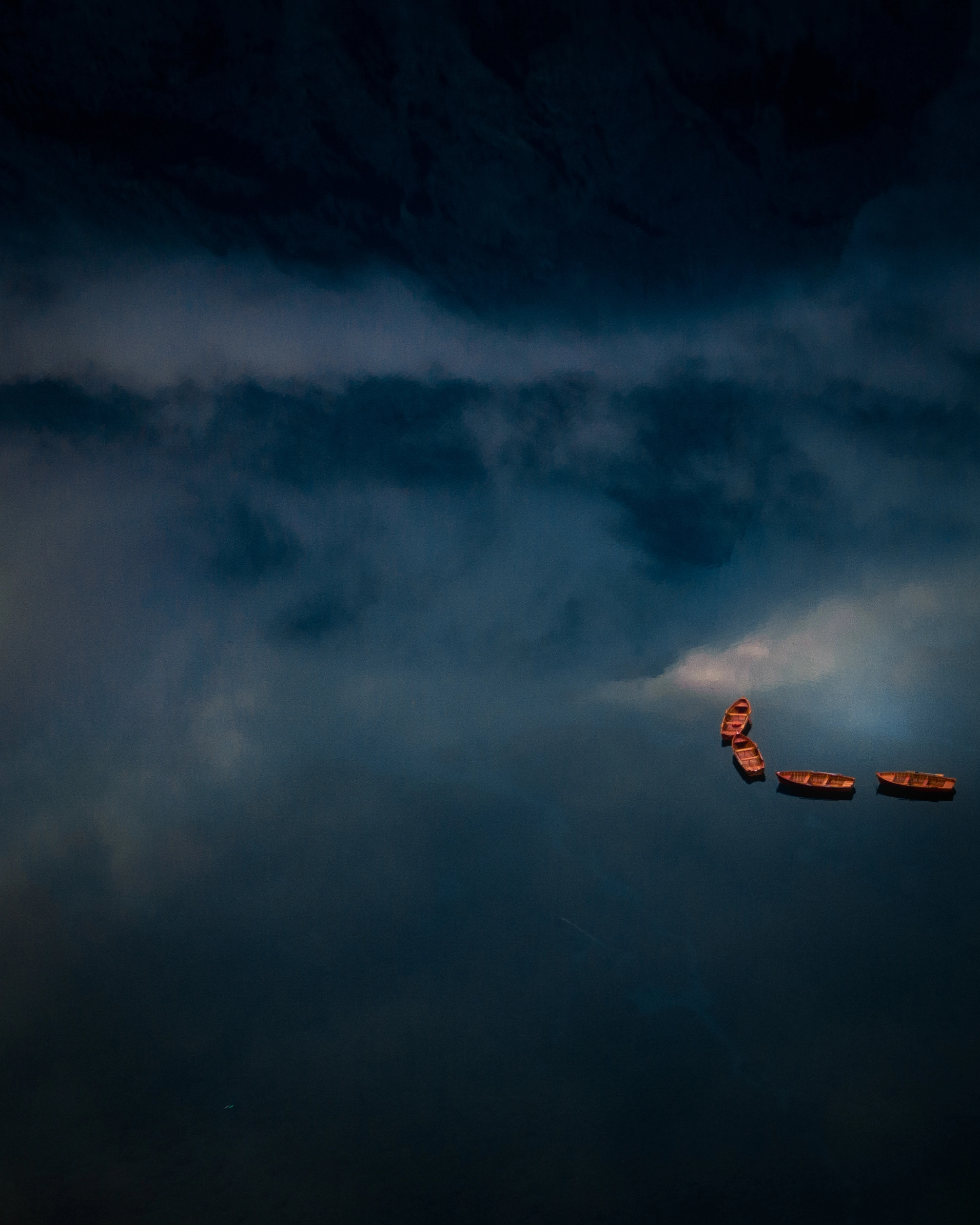
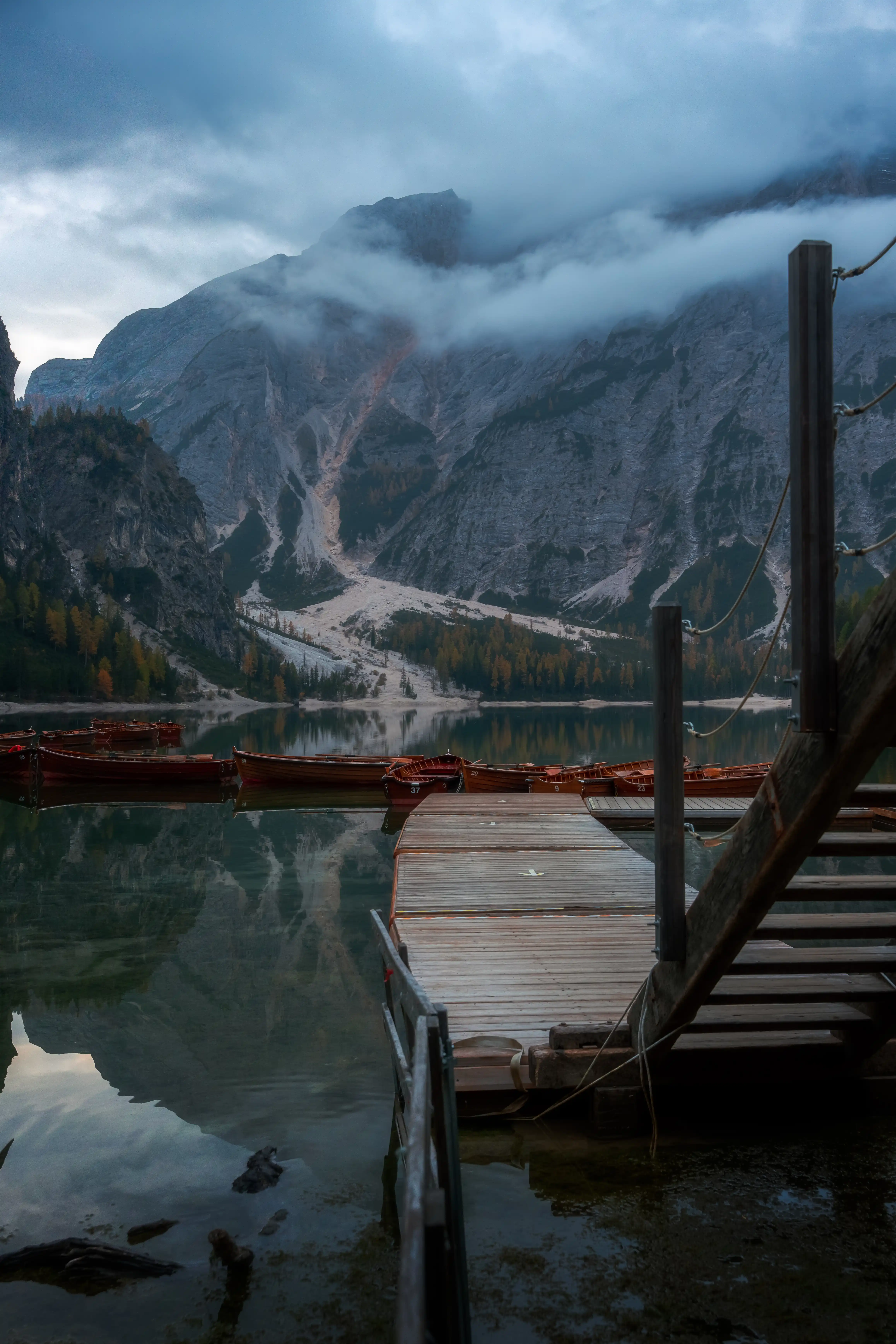
I chose dawn, arriving before the first tour buses, when the lake surface was still and the light still horizontal. The mist that hung above the water in the early morning dissolved within an hour of sunrise. The window for this quality of light is narrow — which is why almost every photographer who comes here sets an alarm for 5am.