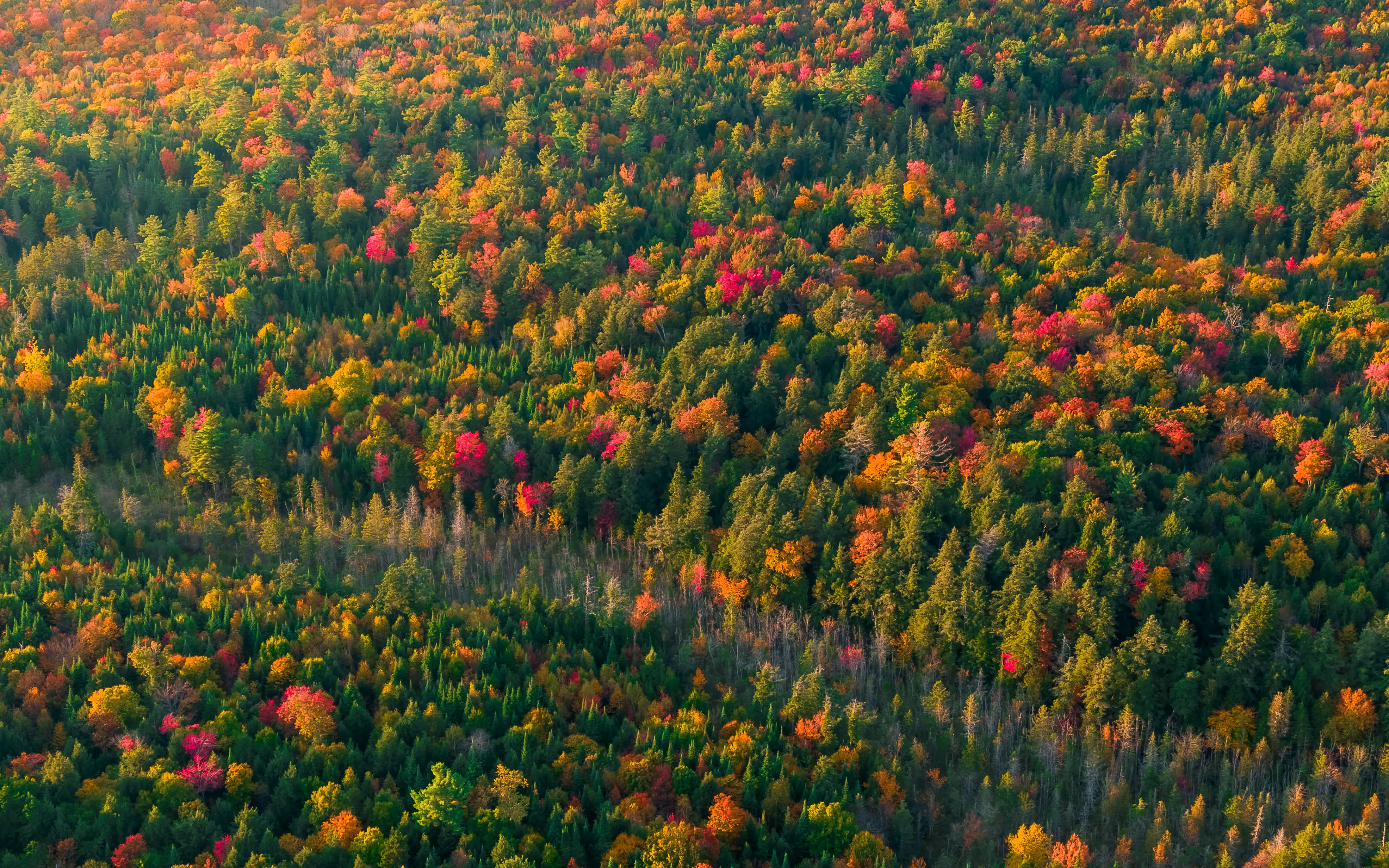
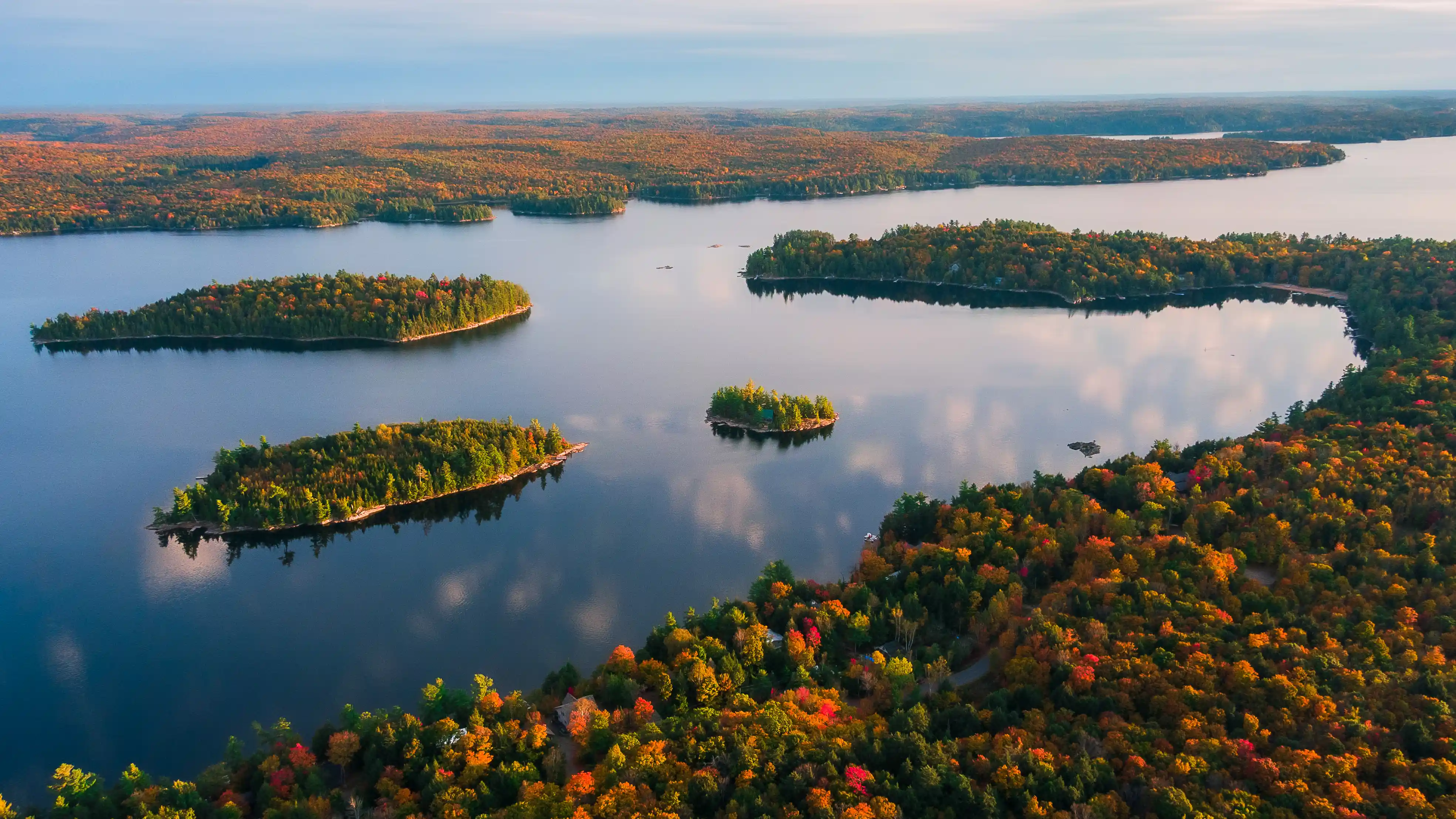
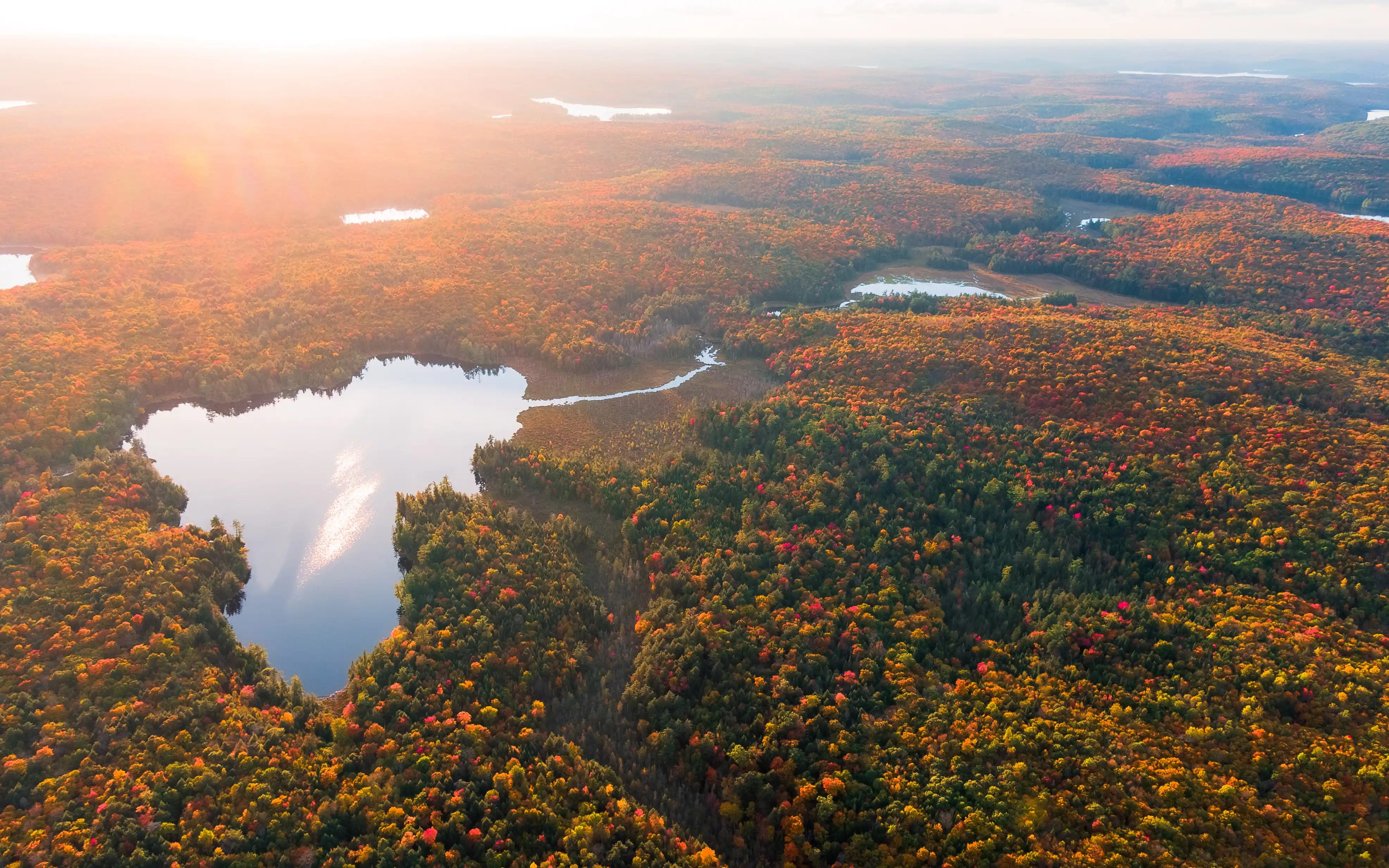
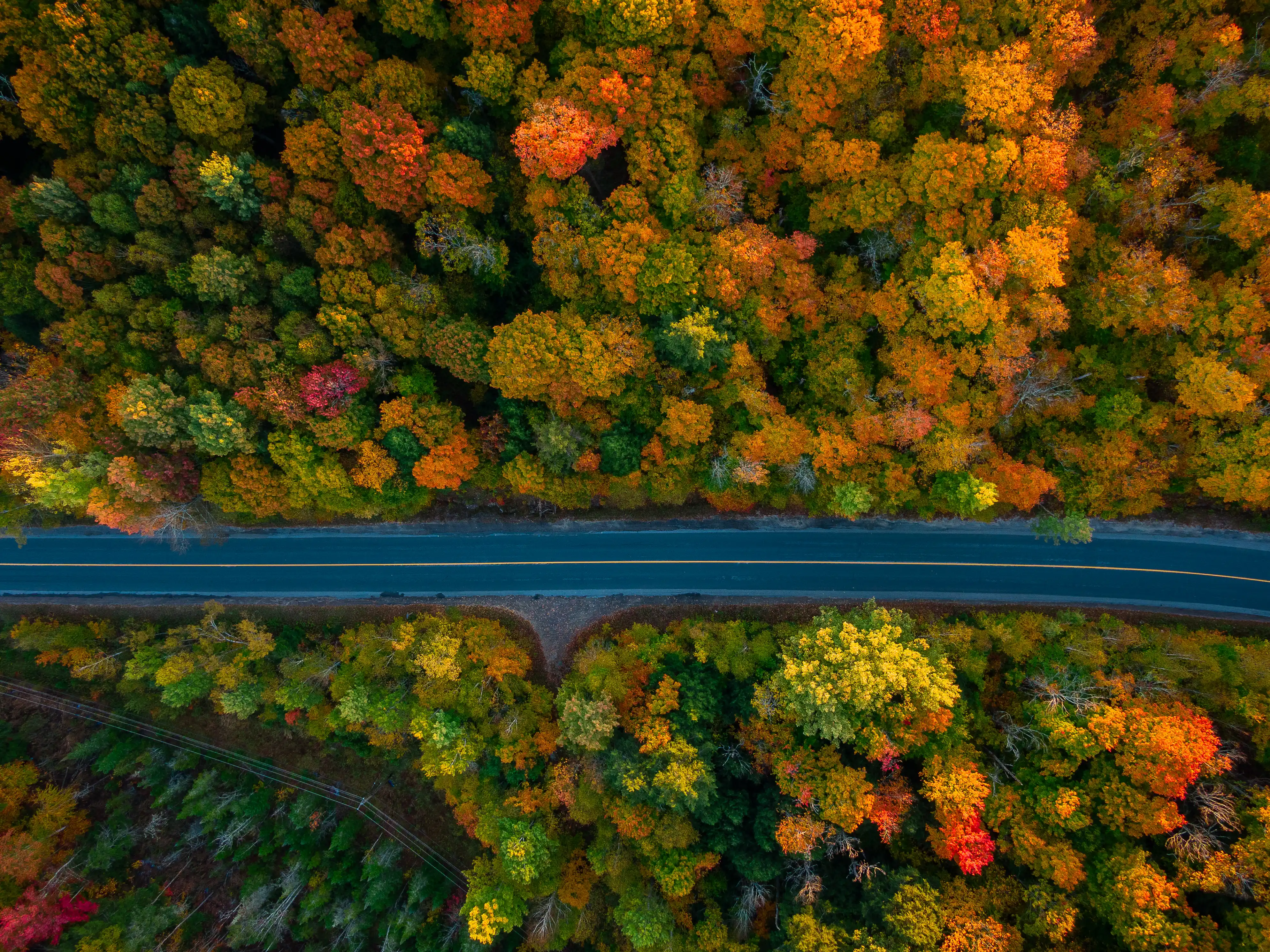
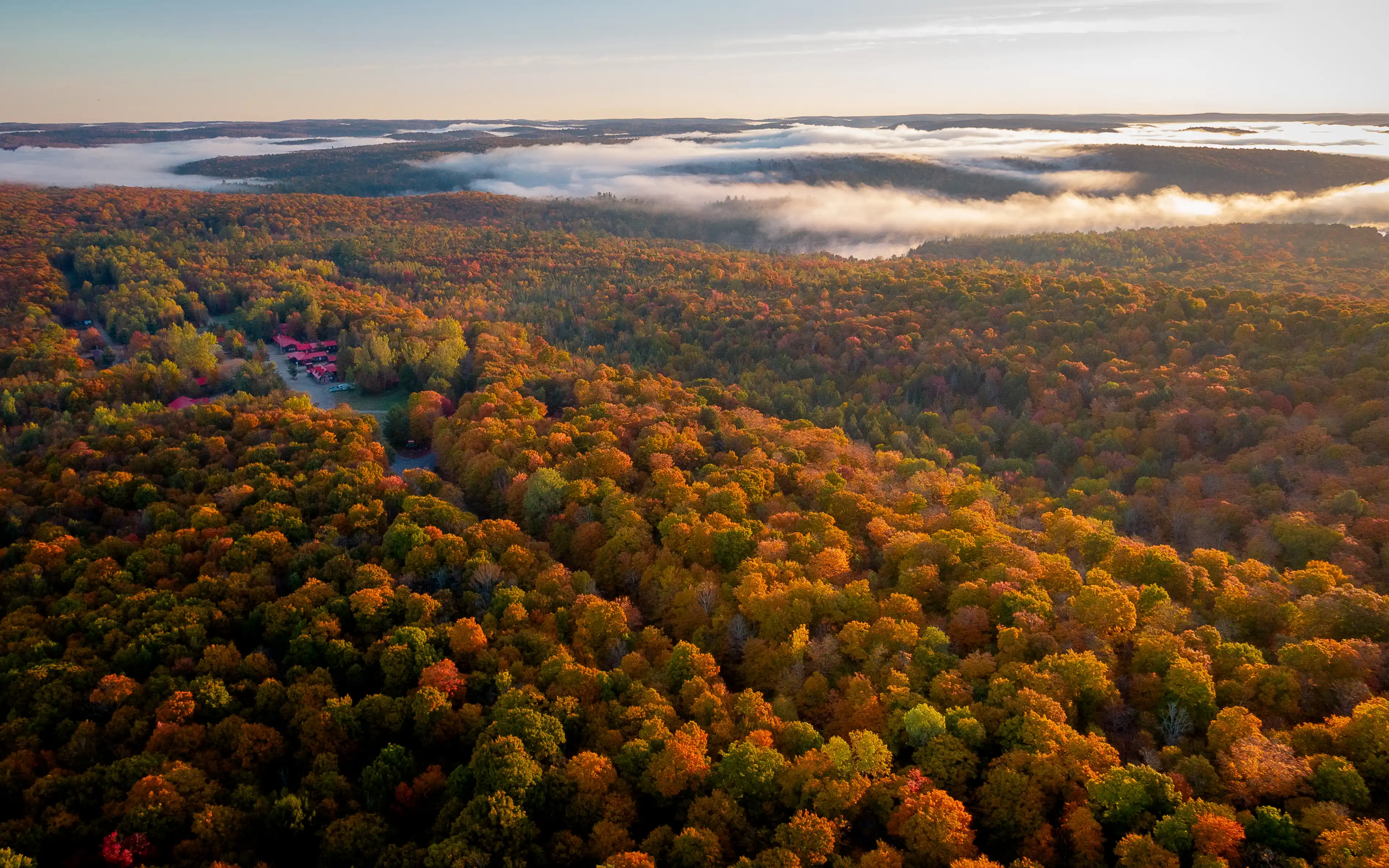
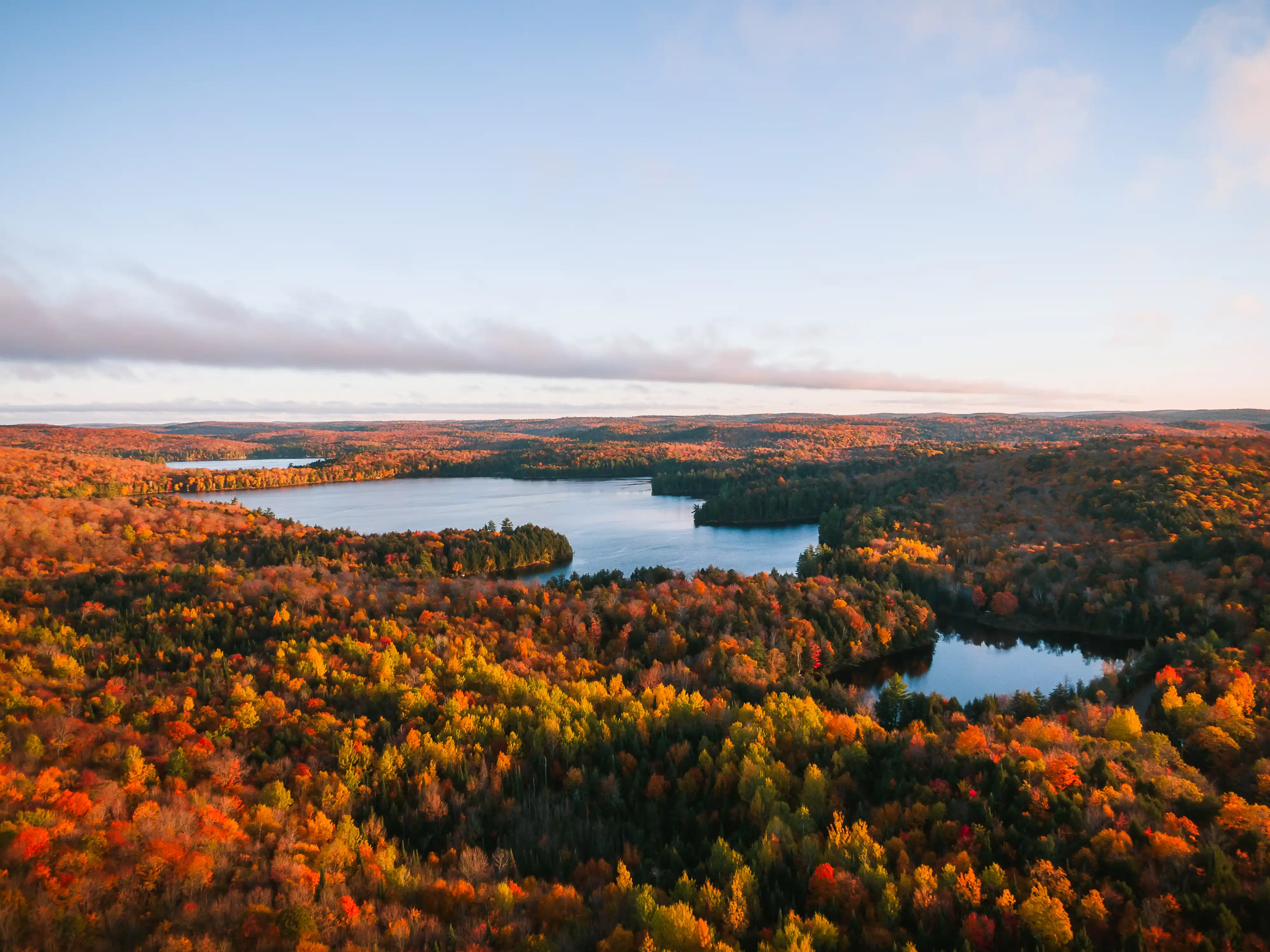
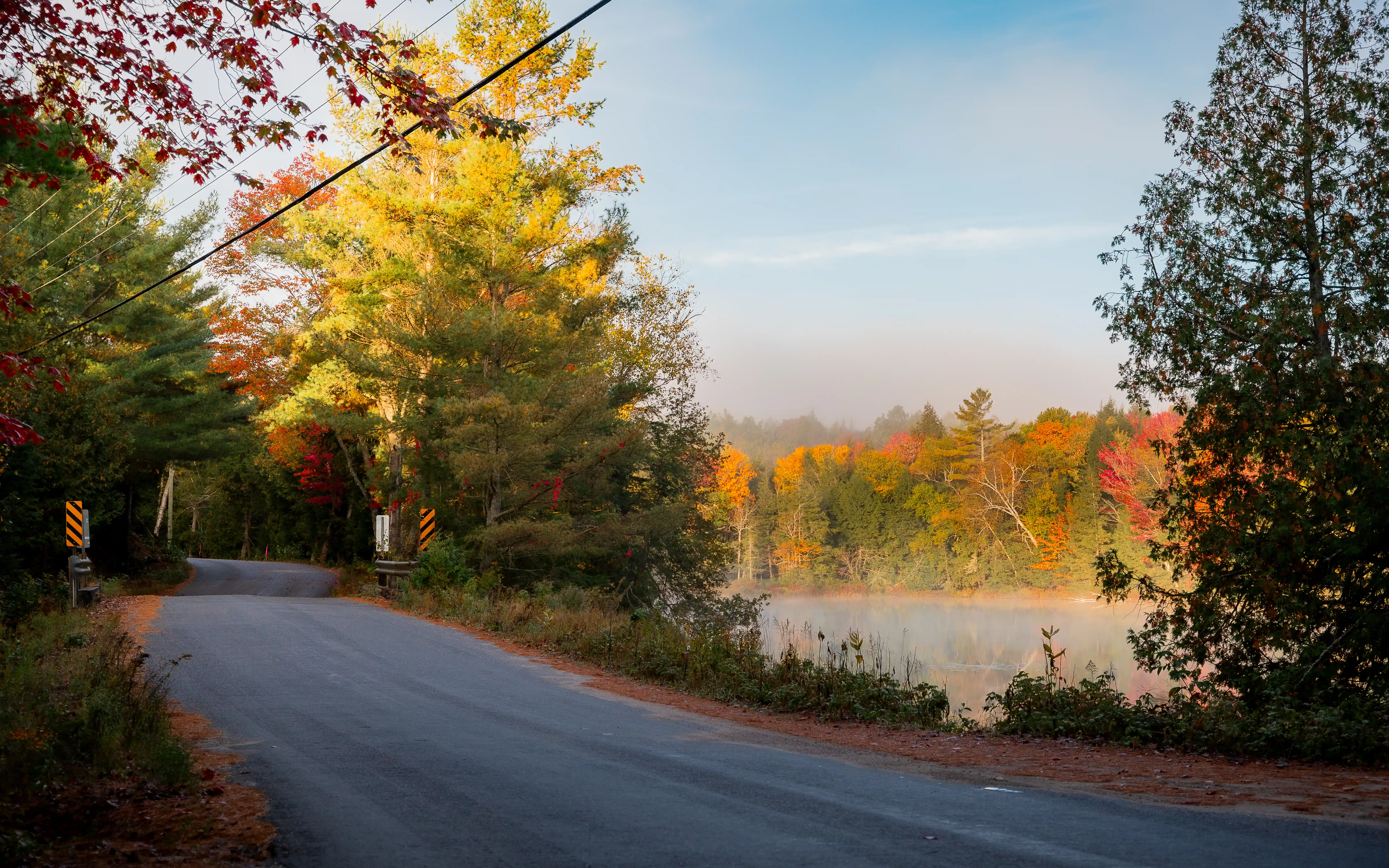
The colour change in Ontario's cottage country is not subtle. When the maples turn in October, the hills above Kennisis Lake transform into something that resembles a landscape painting more than a photograph.
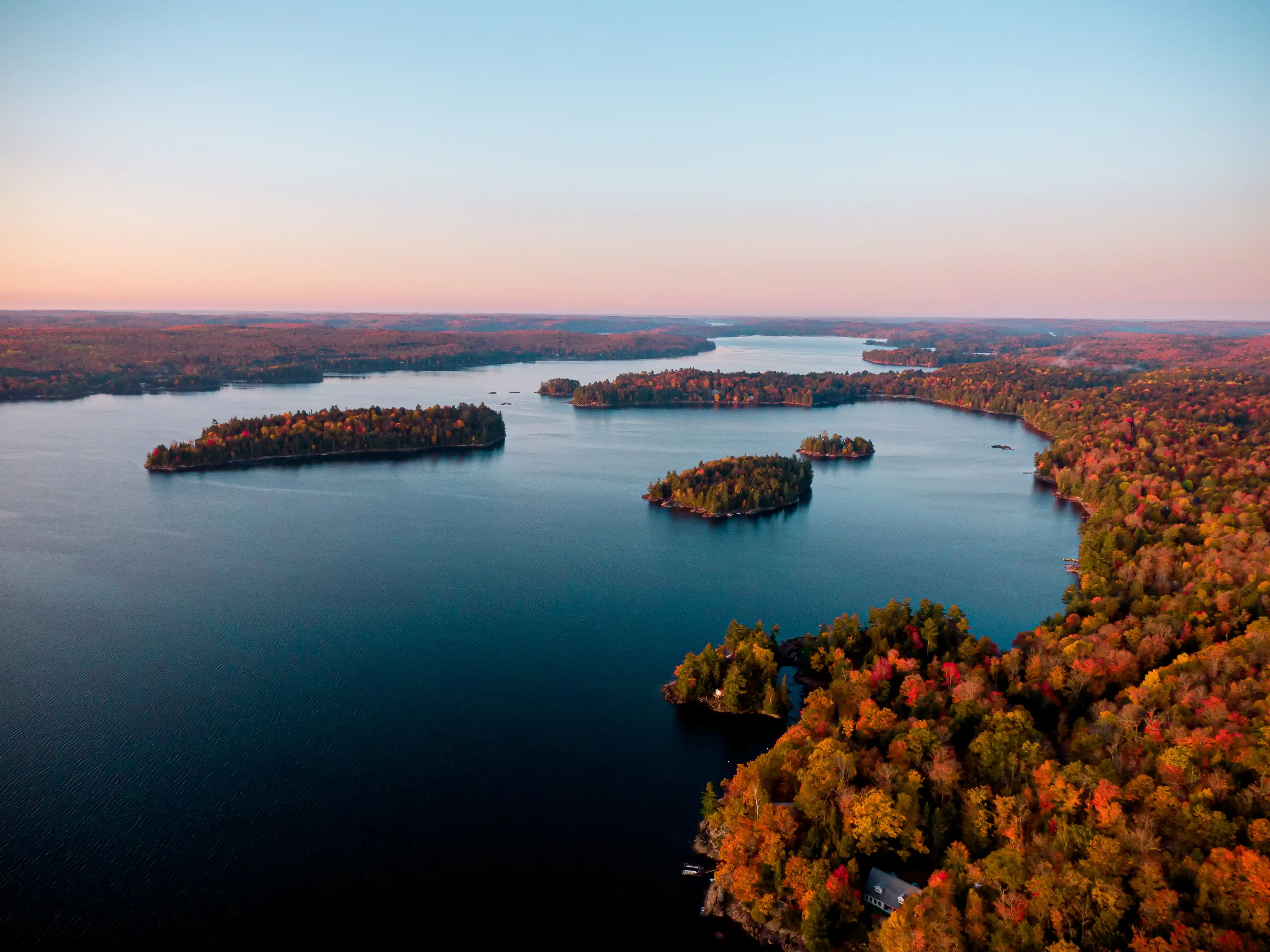
The Haliburton Highlands sit in the Canadian Shield — the ancient granite bedrock that underlies much of northern Ontario and Quebec. The Shield's rocky, mineral-poor soils support a forest dominated by sugar maple, yellow birch, red oak, and white and red pine. These are precisely the species that produce the most dramatic autumn foliage.
The Science of Colour
The mechanics of the colour change begin weeks before the leaves turn. As the days shorten and temperatures drop in late August, trees begin reabsorbing nutrients stored in their leaves. Chlorophyll — the green pigment that drives photosynthesis — breaks down first, revealing the yellow and orange carotenoid pigments that were present all along but masked by green. Anthocyanins, the red and purple pigments, are produced fresh during this process as a byproduct of the sugar-trapping that occurs when the leaf's connection to the tree is pinched off. The brightness of the red depends heavily on weather: cool nights combined with warm sunny days maximise anthocyanin production, producing the most vivid scarlets and crimsons.
Peak colour in Ontario's cottage country typically occurs in the first two weeks of October, though the exact timing varies by elevation, aspect, and annual temperature patterns.
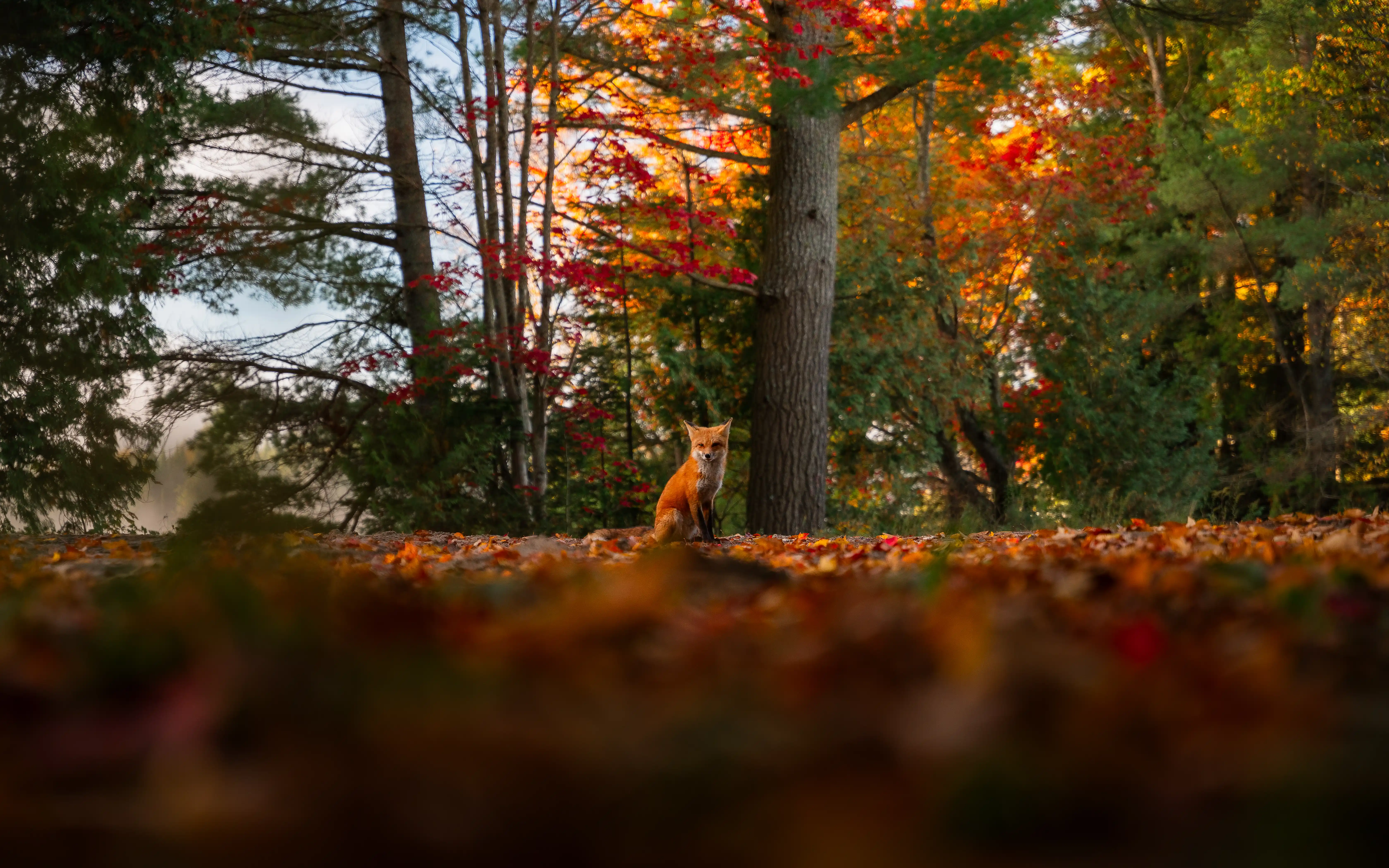
Wildlife in Autumn
White-tailed deer enter their rut, with bucks marking territory and competing for females. Black bears enter hyperphagia — consuming up to 20,000 calories per day in preparation for hibernation. Loons, which have spent the summer on the lake, begin gathering for their southward migration. Their haunting calls, which define the soundscape of Ontario cottage country in summer, become less frequent and then suddenly absent as October ends. The Canada goose migration provides a constant backdrop — V-formations moving south against the October sky. White pelicans, common loons, and mergansers stage on the larger lakes before departure.
Kennisis Lake
Kennisis Lake covers approximately 1,640 hectares, making it the second-largest lake in Haliburton County. The lake is distinguished by its remarkably clear water — the result of the Shield geology, which releases very little sediment or dissolved nutrients, keeping the lake oligotrophic: nutrient-poor, clear, and cold. This same water quality supports productive fish populations and makes the lake one of the most photographically compelling in the Highlands at any season.