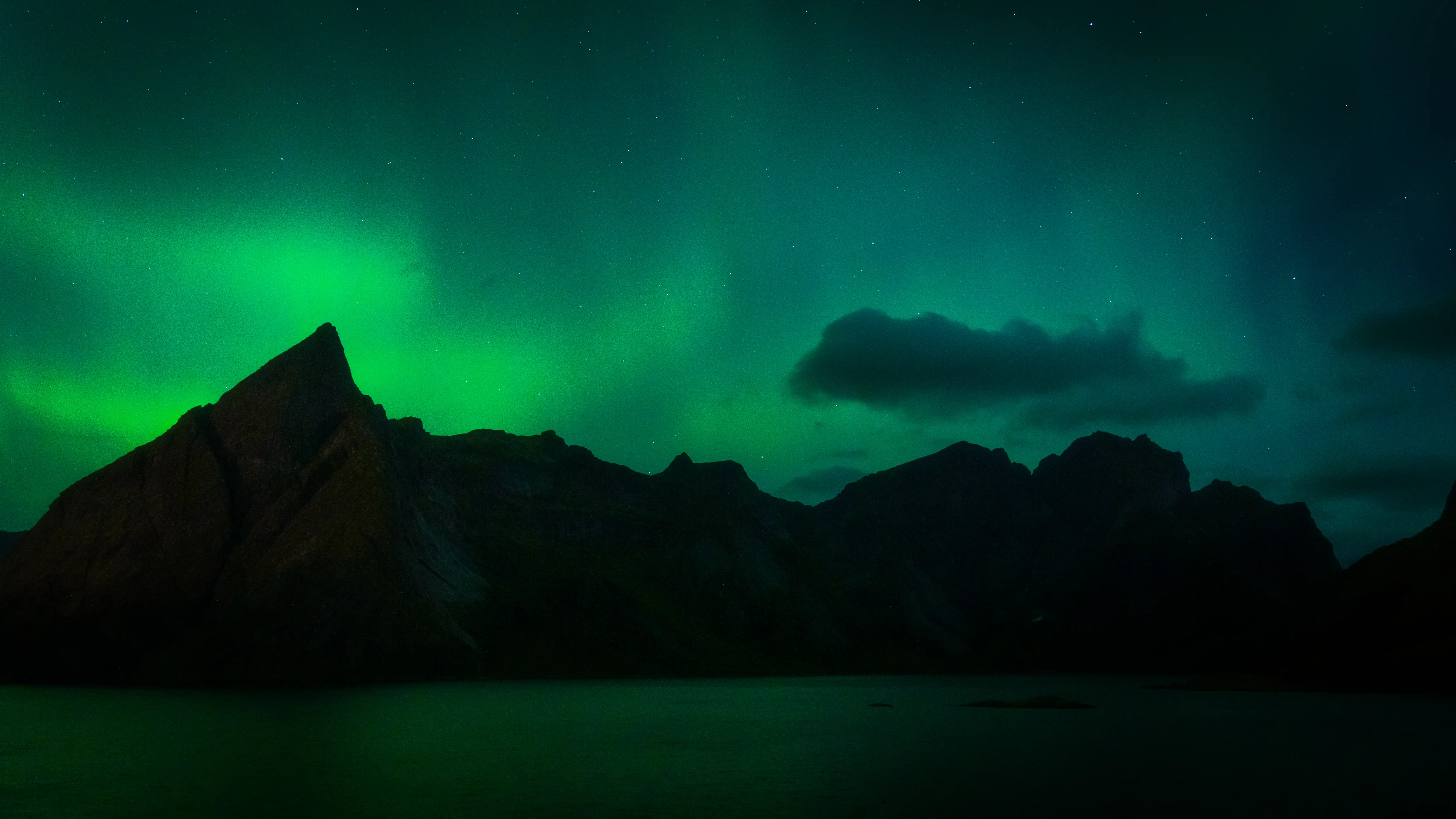
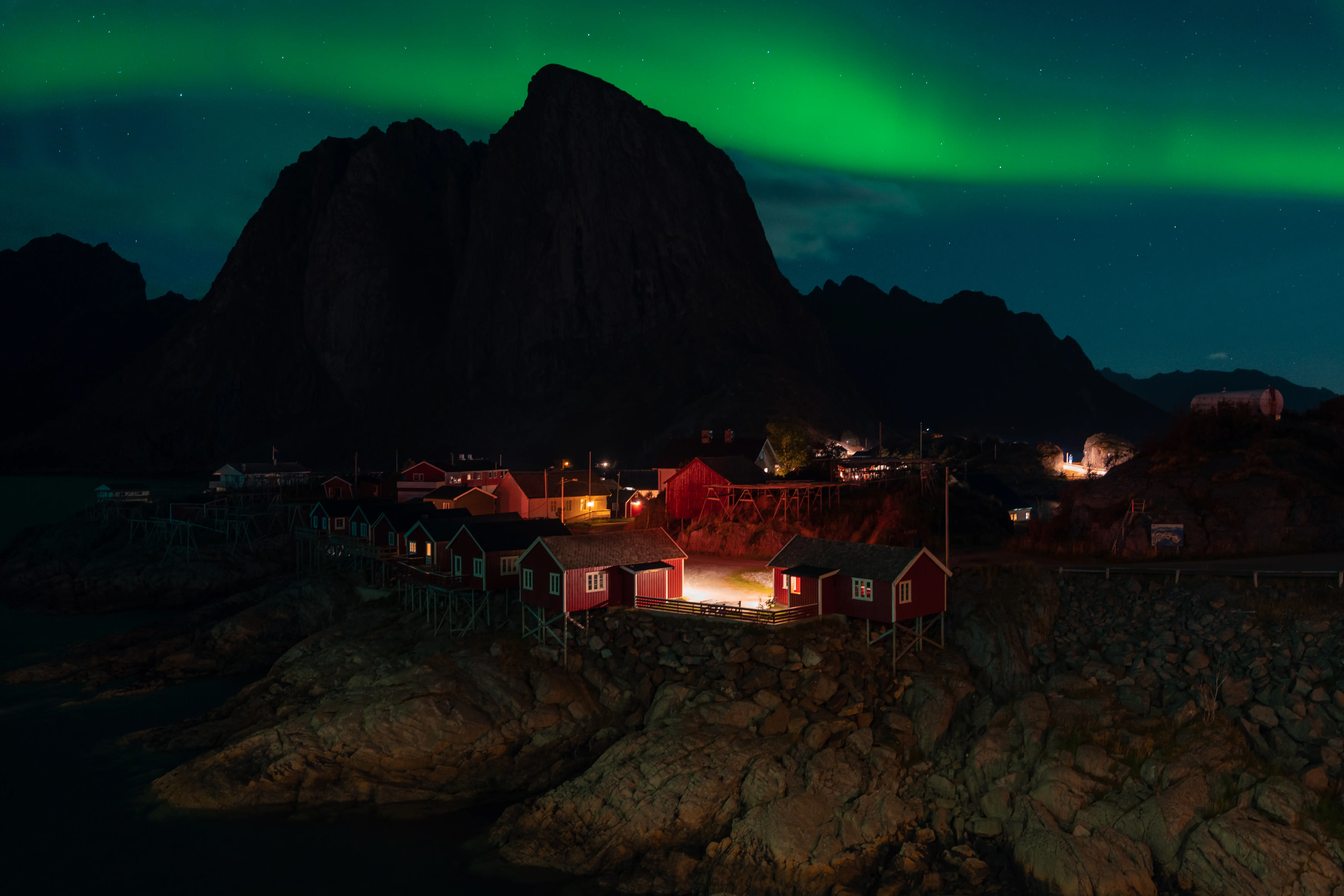
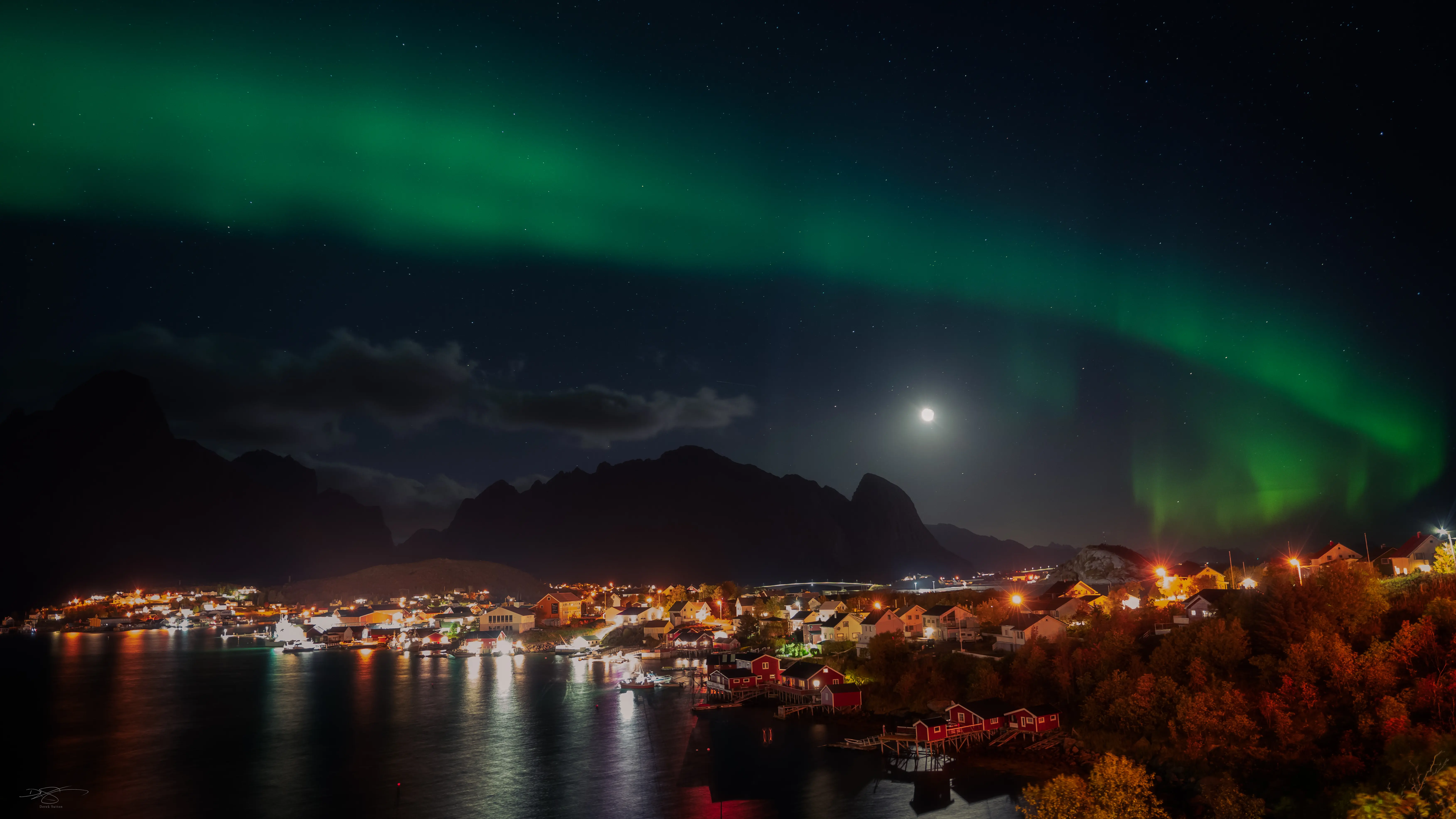
Amidst the rugged beauty of Norway's Arctic Circle, the Lofoten Islands rise from the Norwegian Sea like something conjured rather than formed — jagged peaks, cobalt fjords, and villages of red-painted fishing huts clinging to the shoreline.
The Lofoten archipelago sits at the 68th and 69th parallels north of the Arctic Circle, yet its climate is strikingly mild for its latitude. Three converging ocean currents — the Gulf Stream, the North Atlantic Current, and the Norwegian Current — warm both the air and the sea far above what geography would otherwise permit. The result is a landscape that feels paradoxical: Arctic in its remoteness, temperate in its livability, and extraordinary in its light.
The islands have been inhabited for over 11,000 years. Vikings called these islands home, and the sagas they wrote here shaped the mythology of an entire civilization. For centuries the primary industry was cod fishing — the nutrient-rich waters create a natural spawning ground so productive that fishermen have been traveling here since the 11th century. The traditional red-painted fishing huts lining the harbours, known as rorbuer (roughly "small houses for those who row"), date from this era. Today many serve as some of the most photographed accommodation in Scandinavia.
In 1941, Lofoten's fish oil factories were of strategic value to the German war effort — glycerin from Norwegian fish oil was a key ingredient in manufacturing explosives. Operation Claymore, launched March 4th 1941, destroyed all the fish oil facilities and eliminated 3,600 tonnes of oil and glycerin. More significantly, it led to the capture of Enigma machine rotors that allowed Allied codebreakers to decipher German naval communications and avoid U-boat concentrations in the North Atlantic.
The Aurora
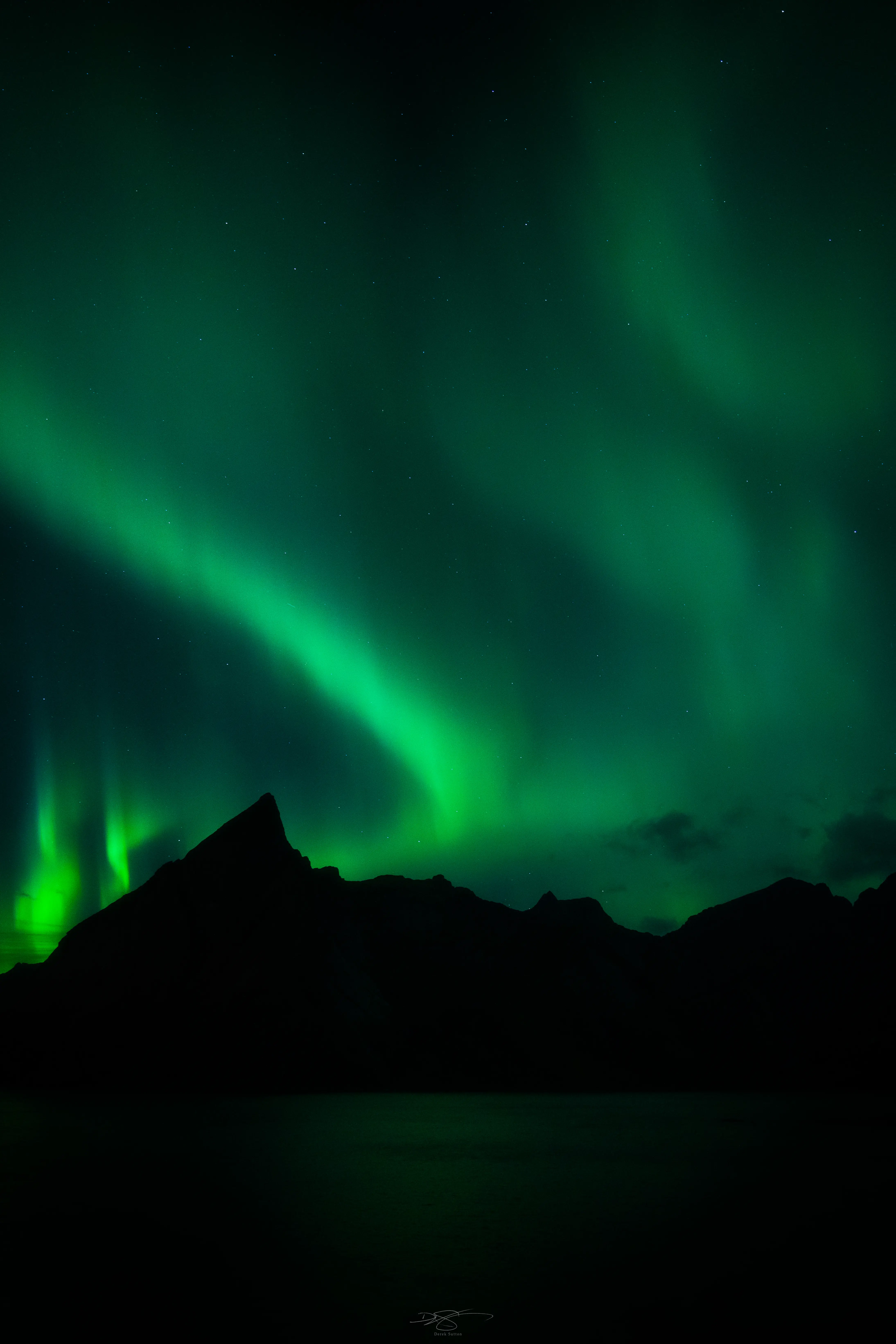
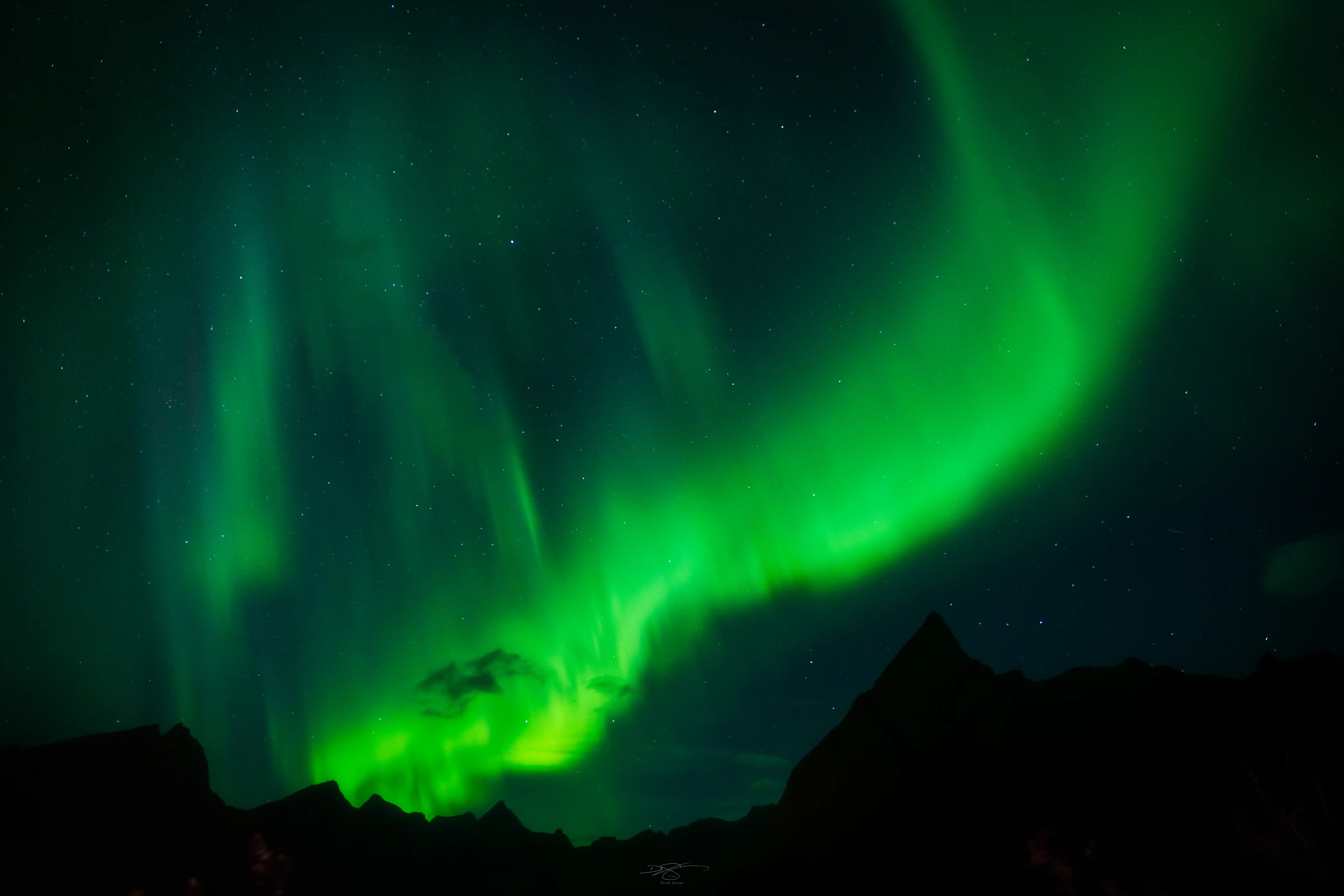
The Lofoten Islands sit inside the auroral oval — a ring-shaped zone approximately 65–72 degrees north latitude where the interaction between charged solar particles and Earth's magnetic field is strongest. This makes the archipelago one of the most reliable aurora-viewing locations on the planet during winter.
The Northern Lights form when charged particles from the sun collide with gases in Earth's upper atmosphere. Oxygen at around 100 kilometres altitude creates green. At around 300 kilometres, the same oxygen produces rare red curtains. Nitrogen produces blue and purplish-red. The intensity depends on solar activity — the strength of the solar wind and the orientation of its embedded magnetic field relative to Earth's own.
The Photography
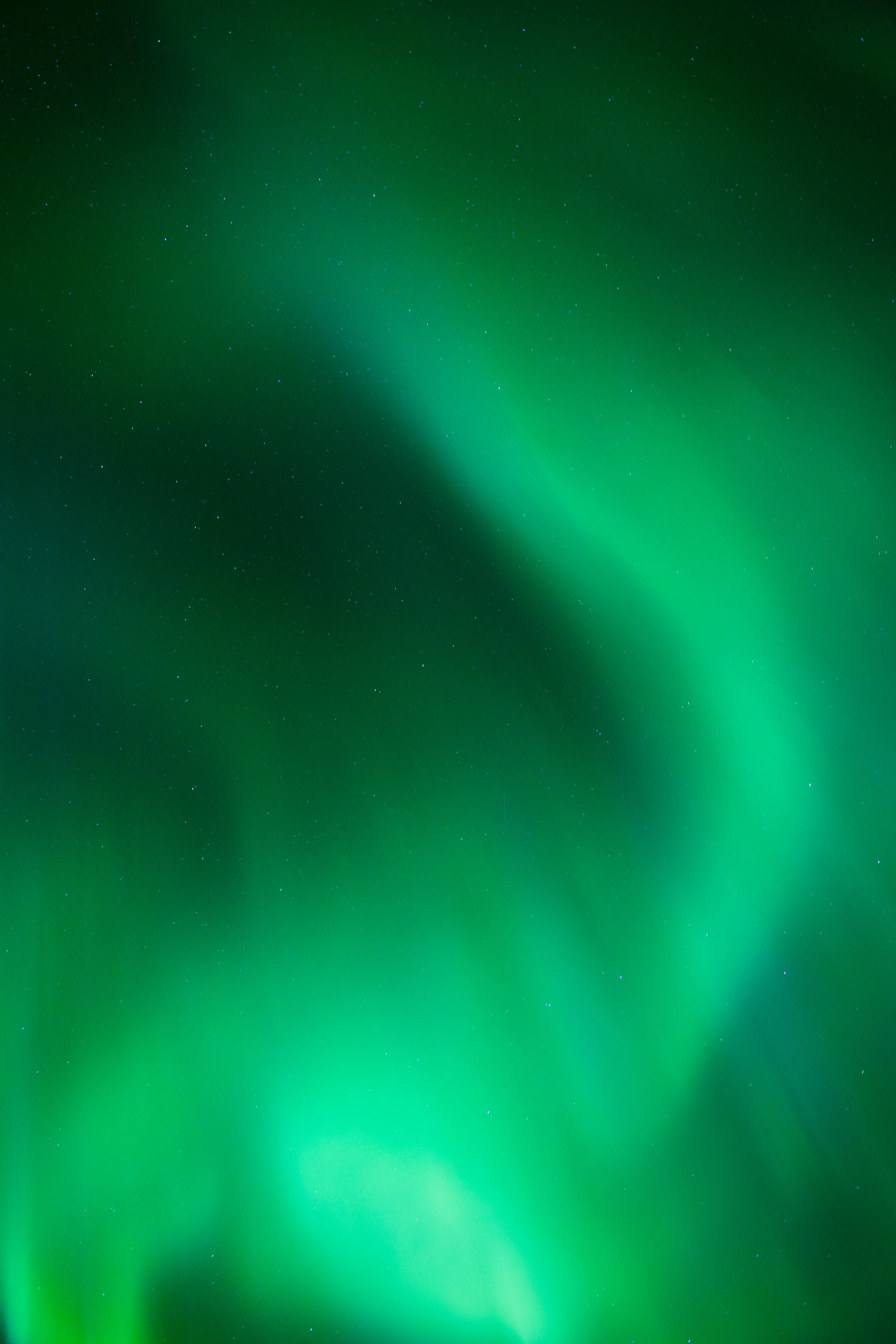
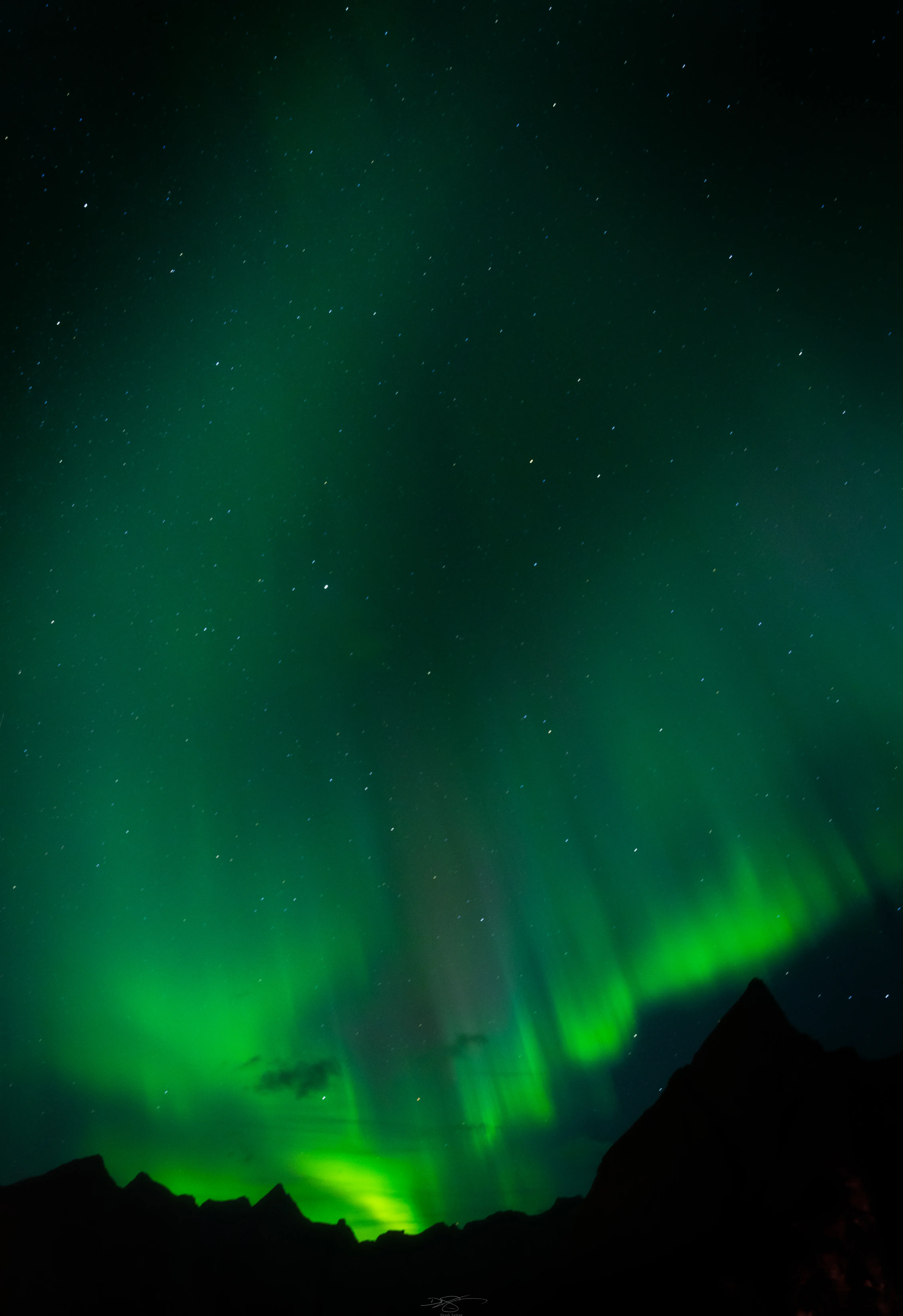
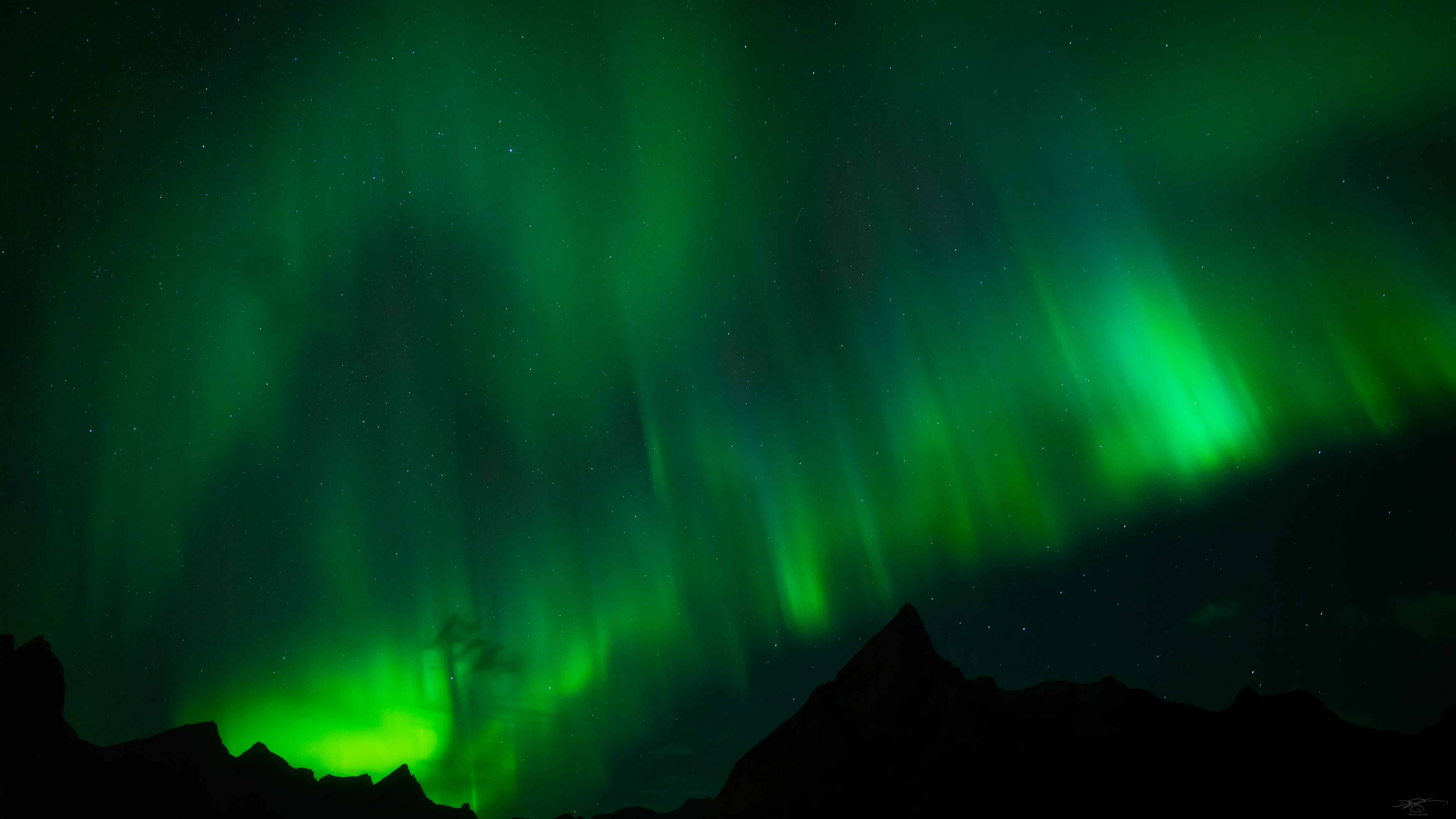
These photographs were captured across a single evening on the Lofoten Islands during peak aurora season. I positioned along the water to use the fjord as a mirror, capturing the aurora both above and reflected on the surface. The rorbuer in the foreground anchor the image geographically — without them, the image could be anywhere. With them, it is unmistakably here.